Sunday, July 24, 2016

Fact-checking with Pinocchio

As you know, Pinocchio is a fictional character and the protagonist of the children's novel The Adventures of Pinocchio (1883) by Italian writer Carlo Collodi. Carved by a woodcarver named Geppetto in a village near Florence, he was created as a wooden puppet but dreamed of becoming a real boy. He lies often. Glenn Kessler uses his image as a symbol to fact-check the candidates’ statements.

“Here’s the tally so far. Three Pinocchios could be viewed as mostly false, Two Pinocchios as half-true, One Pinocchio as mostly true and the rarely given Geppetto as completely true.

Trump (52 rated claims)
Four Pinocchios: 33 (63 percent)
Three Pinocchios: 11 (21 percent)
Two Pinocchios: 5 (10 percent)
One Pinocchio: 1 (2 percent)
Geppetto Checkmark: 2 (4 percent).

Clinton (36 rated claims)
Four Pinocchios: 5 (14 percent)
Three Pinocchios: 13 (36 percent)
Two Pinocchios: 11 (30.5 percent)
One Pinocchio: 2 (5.5 percent)
Geppetto Checkmark: 5 (14 percent)

As you see, the ratio of Trump’s Four-Pinocchios ratings is sky-high. In fact, nearly 85 percent of Trump’s claims that we vetted were false or mostly false. A line graph of Trump’s numbers would show a very steep sky jump. By contrast, Clinton has a bell curve of a typical politician. The number of false claims equals the number of true claims, while her other claims fall mostly somewhere in the middle.”

See the complete article from the Washington Post:


Sunday, July 3, 2016

Dieci cose che (forse) non sai sul bacio.

Il bacio.  Dieci cose che (forse) non sai sul bacio.

In media, spendiamo due settimane della nostra vita a baciarci. Più o meno 336 ore. In questo modo ci scambiamo germi (il più delle volte innocui), ormoni e soprattutto informazioni. Un'usanza, il bacio, le cui origini si perdono nella notte dei tempi, tranne che a… Mangaia, l'isola del pacifico i cui abitanti non ne avevano mai sentito parlare fino all'arrivo degli inglesi nel 1700. E non è tutto.

1. Il bacio che (non) uccide
Un bacio può contenere fino a 278 diversi batteri, ma il 95% di questi non sono pericolosi. In compenso baciare migliora la resistenza agli allergeni, come ha dimostrato uno studio del 2003 del Dipartimento di malattie allergiche dell'Ospedale di Ujitakeda, in Giappone.

2. Il bacio più lungo
Il record del bacio più lungo del mondo appartiene a una coppia tailandese, Ekkachai e laksana Tiranarat. Nel 2011 hanno tenuto le labbra incollate per quasi due giorni di fila: 46 ore, 24 minuti e nove secondi.

3. Meditazione al bacio
Baciarsi è spiritualmente appagante: secondo uno studio dell'Università dell'Arizona del 2009, il bacio induce gli stessi effetti rilassanti dello yoga e della meditazione.

4. Basium & kiss
Gli antichi romani distinguevano tra tre tipi di bacio: l'osculum, dato ai familiari, il basium, bacio d'amore e il savium, bacio della libidine (e delle prostitute). L'Oxford English Dictionary invece contiene ben 52 termini sinonimo di bacio.

5. Barra a destra
Ricercatori irlandesi hanno scoperto che l'80 per cento delle coppie che si baciano, girano la testa a destra. Anche quando baciano una bambola a grandezza naturale.

6. XXX
La X è utilizzata spesso come simbolo che indica i baci negli sms (e non solo). Ma perché? Un'ipotesi è che nel medioevo, la maggior parte delle persone, analfabete, firmavano con una X, e in seguito baciavano il foglio per mostrare la sincerità del loro gesto.

7. Saliva e testosterone
Durante un bacio ci si scambia saliva che contiene sali e minerali che forniscono informazioni importanti sulla salute del partner. Non solo: le mucose della bocca sono permeabili al testosterone, l'ormone maschile che aumenta l'eccitazione.


8. Il primo bacio è... decisivo
Lo psicologo Gordon Gallup Jr dell'Università di New York ha studiato il comportamento post bacio di 200 tra uomini e donne, scoprendo che la maggior parte di loro ha smesso di vedere qualcuno da cui era stato attratti, dopo il primo bacio perché questo non li aveva convinti. Le donne si sono rivelate più esigenti rispetto agli uomini.

9. Uomini & donne
Le donne usano l'intensità e la frequenza del bacio per valutare l'idoneità di un uomo per i rapporti a breve termine e se un rapporto a breve termine si può evolvere in un rapporto a lungo termine. Gli uomini invece, secondo alcuni psicologi, ricorrono al bacio, soprattutto nelle relazioni a breve termine, per aumentare la probabilità di avere rapporti sessuali.

10. Bacio e teletrasporto
Fino agli anni 60 negli Stati Uniti era vietato mostrare baci interrazziali sullo schermo: quando cadde il divieto il primo bacio si consumò in un episodio di Star Trek, tra il capitano Kirk (William Shatner) e il tenente Uhura. All'inizio la sceneggiatura prevedeva che a baciare l'attrice Nichelle Nichols fosse il tenente Spock.

dalla rivista Focus 

Wednesday, June 8, 2016

Le origini di Londra

Il passato torna vivo sotto i nostri occhi in questo divertente articolo del Washington Post di martedì, 7 giugno.

LONDON — They came, they saw, they got down to business.
Archaeologists announced Wednesday they have discovered hundreds of writing tablets from Roman London — including the oldest handwritten document ever found in Britain — in a trove that provides insight into the city’s earliest history as a busy commercial town.
Researchers from Museum of London Archaeology uncovered more than 400 wooden tablets during excavations in London’s financial district for the new headquarters of media and data company Bloomberg.
So far, 87 have been deciphered, including one addressed “in London, to Mogontius” and dated to A.D. 65-80 — the earliest written reference to the city, which the Romans called Londinium.
Sophie Jackson, an archaeologist working on the site, said the find was “hugely significant.”
“It’s the first generation of Londoners speaking to us,” she said.
The Romans founded London after their invasion of Britain in A.D. 43. The settlement was destroyed in a Celtic rebellion led by Queen Boudica in A.D. 61, but quickly rebuilt.
The documents show that only a few years after it was established, London was already a thriving town of merchants and traders. The records include references to beer deliveries, food orders and legal rulings.
One tablet carries the date Jan. 8, A.D. 57, making it Britain’s earliest dated hand-written document. Fittingly for a city that is now the world’s commercial capital, it’s about money — an ancient IOU in which one freed slave promises to repay another “105 denarii from the price of the merchandise which has been sold and delivered.”
The wooden tablets were preserved in the wet mud of the Walbrook — then a river, now a buried stream.
“The water keeps out the oxygen that would normally cause decay,” Jackson said. “Our sticky Walbrook mud is like the ash of Pompeii or the lava of Herculaneum” — Roman towns in Italy preserved by volcanic eruptions.
In Roman times, the tablets were covered in wax, on which words could be inscribed with a stylus. The wax has not survived, but some of the writing penetrated to the wood and can still be read.
Classicist Roger Tomlin, who deciphered the inscriptions, said looking at the ancient handwriting had been “fun.”
“You’re thinking your way into the hand of someone else who lived 1,900 years ago,” he said. “Your eyes are setting foot where man has never been before, at least not for a very long time.”

By Jill Lawless | AP

June 1

Tuesday, May 31, 2016

Ettore, il cane colpevole 


Un cane che si sente in colpa, ma e' simpaticissimo, per forza, e' un cane italiano!!


Thursday, May 19, 2016

Paolo Conte – uno dei migliori cantautori italiani

Il cantautore astigiano Paolo Conte è in tour con l’ultimo album “Snob.
Attorno non solo signori e signore dai 50 in su, ma numerosi “young adult”, per usare la terminologia che identifica il pubblico cinematografico della fascia intermedia, affamati di musica vera.
Sul palco Paolo Conte.

Il Teatro Crebegr di Bergamo è pieno zeppo. Al rientro nella città lombarda dopo qualche “annetto” di assenza, il cantautore classe '37 originario di Asti si presenta sul palco accompagnato da molti e preparati poli-strumentisti.  Protagoniste indiscusse, le canzoni del suo ultimo e quindicesimo album. “Snob” esce il 14 ottobre 2014 prodotto da Rita Allevato per Platinum e distribuito da Universal. 

Il disco contiene 15 canzoni inedite: un ritorno alle origini musicali e testuali che hanno reso Paolo Conte un artista apprezzato in tutto il mondo. Un ritorno che è anche, inevitabilmente, evoluzione e ricerca continua; esplorazione di panorami musicali e parole che, come antiche trouvailles, oltre a dischiudere significati inusuali, si trasformano in suoni e in immagini pittoriche. Solo quattro mesi prima era uscito “The Platinum Collection”, una raccolta voluta in occasione del 40° anniversario della pubblicazione del primo album, in cui una voce quasi distratta tratteggiava piccole storie, in cui viene ripercorsa la carriera musicale attraverso 51 grandi successi come “Un gelato al limon” o “Via con me”.

Di nuovo si spengono le luci. La voce rauca e profonda del musicista talvolta scivola, quasi in una sghemba coperta con cui volare sopra il mondo. 

Canzoni, quelle di Paolo Conte, ma più che altro romanze musicali dove la vita è un geyser ove specchiarsi in ogni sua goccia esplosiva: dalla più minuscola che ricade subito a terra a quella che rimane lassù, nelle praterie celesti. Passando di nuvola in nuvola fino a fondersi con l'immortalità di ogni nostra emozione. 

Le canzoni si susseguono, una dopo l'altra. Durante tutto il concerto le mani dei fan mimano più di uno strumento. Le poltrone sono tutte ravvicinate ma lo spazio per lasciarsi guidare dalla propria ispirazione comunque lo si trova.
Paolo è uno dei più importanti e innovativi cantautori italiani apprezzati anche sul mercato estero.


Per il mercato americano, ad esempio, l'album raccolta The Best of Paolo Conte, è stato votato "disco dell'anno" dall'autorevole Rolling Stone ed è stato l’occasione di un tour di successo in terra americana, che lo ha portato ad esibirsi nelle principali città degli Stati Uniti, quali New York, Boston, Los Angeles e San Francisco.

From an article in L'Italo-Americano

Sunday, March 20, 2016

Pizza napoletana patrimonio Unesco?

L’International Pizza Expo di Las Vegas, dal 1985 fa incontrare il mondo degli affari che ruotano attorno alla pizza, un mercato che solo in Usa vale 43 miliardi di dollari in vendite annuali, sono già state raccolte oltre 30.000 firme americane a sostegno della candidatura della pizza italiana all’Unesco. La Commissione italiana per l'Unesco, su proposta del ministero dell'Agricoltura e col sostegno dei ministeri degli Esteri, dell'Università, dell'Ambiente, dell'Economia, ha deciso di candidare l’arte dei pizzaioli napoletani fra i patrimoni immateriali dell’umanità.
 
Il dossier sarà valutato e l’esito sarà noto entro dicembre 2017, dopo un lungo negoziato che coinvolgerà 200 Paesi. 

Sarà il primo nel suo genere "perché fino ad ora mai l'Unesco ha iscritto una tradizione connessa a una produzione alimentare”.

La pizza napoletana, che rappresenta l'Italia nel mondo, è l'unico tipo di pizza riconosciuta in ambito nazionale ed europeo. Dal 4 febbraio 2010 è anche ufficialmente una Specialità tradizionale garantita della Comunità Europea.

Alla sede mondiale dell’Unesco è stato infatti consegnato il primo milione di firme raccolte in tutto il mondo: 100 mila sono arrivate dal Giappone, ben 50 mila dall'Argentina, altre 50 mila da San Paolo del Brasile, solo per fare qualche esempio. 

Il riconoscimento da parte dell'Unesco proteggerebbe la pizza e l'economia ad essa legata, dal fenomeno dell'Italian Sounding. La falsificazione dei prodotti alimentari made in Italy produce enormi danni alla nostra economia e, secondo le ultime stime, costerebbe all'Italia anche 300.000 posti di lavoro. Il fatturato del falso Made in Italy, nel solo settore agroalimentare, ha superato i 60 miliardi di euro, un danno economico davvero non trascurabile.

Su www.pizzanelmondo.org si può sostenere la candidatura e restare aggiornati sulla battaglia culturale

From the weekly journal L’Italo-Americano


Monday, March 7, 2016

What Rome Can Teach Us Today

Ancient lessons for modern politics

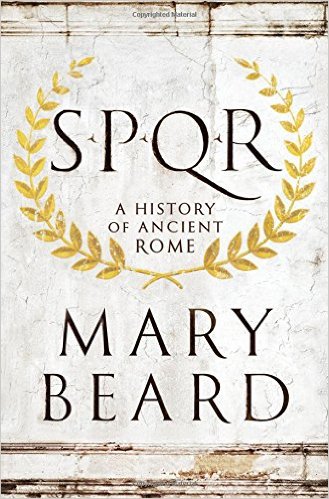
Mary Beard has written a kind of history as irony that makes comparisons between Roman and modern politics inevi­table. Her book SPQR is a translation of Roman history into the English of today and offers insights into not only Rome's history but also the challenges of the present.

Romans – they’re just like us
Beard does not need to reference today's U.S. Congress to make readers appreciate the subservience of a Roman senator who, when asked to vote on a matter in an open ballot by the emperor Tiberius, responded, “Could you tell me in what order you will cast your vote, Caesar? If you go first I shall have something to follow. If you go last of all, I fear I might find myself inadver­tently on the wrong side.” The anecdote can't help but make one think of the servility of some members of the U.S. Congress to powerful special interests such as the National Rifle Association.

We even hear echoes of the frequent denuncia­tion of so-called political correctness by today's conservatives in comments made by Cato the Younger in 63 bc, “Long ago we lost the real names of things,” Cato warned. “Giving away other people's money is called ‘generosity’. Flagrant misbehavior is called ‘courage’. We've reached the tipping point and it's killing our country.”

Beard begins SPQR in 63 bc, with Cicero—an Obama-like political outsider (he was the first in his family to achieve high office and was born in the provinces) with an Obama-like gift for rhetoric. That was the year Cicero took office as consul of Rome—a political position that resembled the U.S. presidency— and then discovered a terrorist plot to assassinate him and his co-consul and burn down the city. Relying on the word of informers, Cicero arrested a group of young men who admitted their involvement in the conspiracy. But despite the arrests, Rome was gripped by panic: no one knew how far the conspiracy extended, and its leader, Catiline, managed to slip away and joined his paramilitary supporters in Tuscany. The Senate met to discuss its options; the debate is what Rome greatest historian, Sallust, has later made the centerpiece of his account of the episode. “In the case of other offences” thundered Cato the Younger, in the same speech in which he denounced his contemporaries’ tendency toward euphemism, "you can proceed against them after they have been committed; with this, unless you make sure it doesn't happen, there's no point appealing to the laws after it's happened. Once a city has been taken, nothing is left to the vanquished.” The thing to do, Cato suggested, was to execute the plotters immediately; that was the best way for Rome to project strength and persuade the other conspir­ators to give up and go home. The problem with Cato's idea, however, was that it was illegal.
 
If his argument nonetheless sounds familiar, that's because it is. Days before the first anniver­sary of 9/11, Condoleezza Rice, then the national security adviser to U.S. President George W. Bush, appeared on television to sell the idea of invading Saddam Hussein's Iraq, “The problem here,” she mused on cnn, “is that there will always be some uncertainty about how quickly [Saddam] can acquire nuclear weapons. But we don't want the smoking gun to be a mushroom cloud.” Just like Cato's, her implication was clear: speedy preemptive action was the only way to prevent an irreparable catastrophe.

Like the Roman Republic did, the United States governs overseas territories through republican institutions; like Rome, as e pluribus unum, the Latin motto on the U.S. dollar bill, suggests, Washington prefers national unity to imperial diver­sity, encouraging assimilation by choice. Such features are relatively uncommon in world history, and it is even more unusual to find them in a single coun­try. From this point of view, the United States is more like republican Rome than it is like many of the past century's authoritarian states.

Like the contemporary United States, Rome was made up of a cultur­ally and ethnically diverse population, and like some Americans today, some prominent Romans doubted the loyalty of certain minority groups. In the year 111, for instance, Pliny the Younger, then the governor of Bithynia, a Roman province in northwestern Anatolia, encountered the adherents of a strange and relatively new religion called Christianity, then still illegal under Roman law. Pliny felt bound to subject the Christians to loyalty trials, and he wrote a letter to the emperor Trajan asking whether the ad hoc procedures he had adopted, among them making use of an anonymously provided list of alleged local Christians, were accept­able. The emperor's reply was remark­able. The Christians “must not be hunted out,” he wrote. “If they are brought before your court and the case against them is proved, they must be punished…. But anonymous lists must not have any place in the court proceedings. That would set a terrible precedent. It's un-Roman.” Despite Rome's official intolerance of Christianity, Trajan's lesson is worth remembering: strong state values can be invoked to avoid setting particularly disastrous prec­edents in the treatment of marginalized minority groups.

And the emperor Theodosius’ decree of ad 380, which required all Roman subjects to believe in the Christian Trinity and led inevitably to the persecution of religious dissidents, should remind us to be wary of politi­cians who seek to prohibit the expres­sion of an unpopular belief or mandate the acceptance of a popular one.


There is plenty to learn from the Romans—if we have the courage to entertain the possibility. Viewed in this light, SPQR is a broad introduction to the best thousand years of Roman history that proves why, as Beard writes on its first page, “Rome is important”—and reminds us why it is particularly important now.

Adapted from the review by Michael Fontaine in Foreign Affairs, March/April 2016